How to Use USDC on Exchanges: A Beginner’s Guide to Stablecoin Trading and Transfers
USDC (USD Coin) is a popular stablecoin pegged 1:1 to the U.S. dollar, making it a reliable tool for trading, transferring value, and earning yield across cryptocurrency exchanges. If you are new to USDC and wondering how to use it effectively on an exchange, this guide covers the essential steps: depositing, trading, withdrawing, and leveraging its utility.
1. Choosing an Exchange That Supports USDC
Most major centralized exchanges (CEXs) like Binance, Coinbase, Kraken, and Bybit support USDC deposits and withdrawals. Decentralized exchanges (DEXs) such as Uniswap and SushiSwap also accept USDC on networks like Ethereum, Solana, and Polygon. Before using USDC, ensure your chosen exchange supports the specific blockchain network you plan to use (e.g., ERC-20, Solana, or BEP-20). Network compatibility affects transaction fees and speed.
2. Depositing USDC into Your Exchange Account
To deposit USDC: log in to your exchange, navigate to the “Deposit” section, select USDC, and choose the network. The exchange will generate a deposit address. Copy this address and paste it into the wallet you are sending from (e.g., MetaMask, Trust Wallet, or another exchange). Double-check the network—sending USDC on the ERC-20 network to a BEP-20 address can result in lost funds. Minimum deposit amounts and fees vary by exchange.
3. Trading USDC on an Exchange
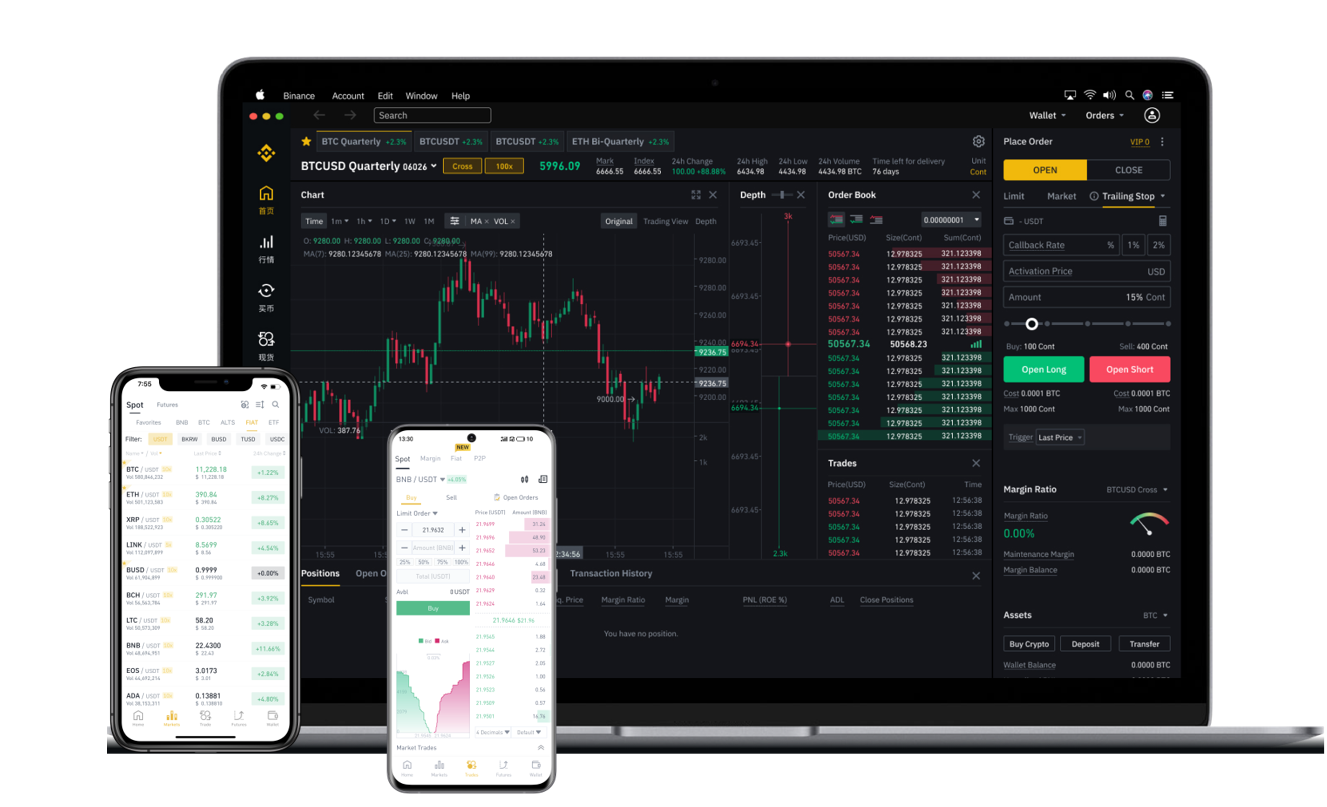
Once deposited, USDC can be used for spot trading. On a centralized exchange, go to the trading pair (e.g., USDC/BTC or ETH/USDC). USDC acts as a stable base pair, allowing you to buy cryptocurrencies without exiting to fiat. To place a market order, enter the amount of USDC you want to spend and confirm. For limit orders, set your desired price and order will execute when the market reaches that level. USDC is especially useful during volatile markets to preserve value without converting back to dollars.
4. Withdrawing USDC to an External Wallet
To withdraw USDC, go to the “Withdraw” section, enter the destination wallet address, select the network, and specify the amount. Confirm the withdrawal via email or 2FA. Be aware of withdrawal fees—ERC-20 fees are typically higher than Solana or Polygon fees. For frequent transfers, consider using a network with lower transaction costs.
5. Using USDC for Yield and Lending
Many exchanges offer USDC in savings, staking, or lending products. For example, on Binance, you can deposit USDC into “Earn” to get flexible or locked savings interest rates. On DeFi platforms like Aave or Compound, you can supply USDC as liquidity to earn variable APY. Always check the lock-up periods and risks involved.
6. Cross-Border Transfers and Payments
USDC is ideal for fast, low-cost cross-border transfers. Instead of using SWIFT or traditional bank wires, you can send USDC to a recipient’s exchange wallet or non-custodial wallet within minutes. This is particularly helpful for freelancers, businesses, or remittances where speed and cost efficiency matter.
7. Security Tips When Using USDC on Exchanges
Always enable two-factor authentication (2FA) on your exchange account. Verify withdrawal addresses and network selections carefully. For long-term storage, consider moving USDC to a cold wallet like Ledger or Trezor, especially if you hold a significant amount. Avoid clicking on unsolicited links claiming to be exchange support, and never share your private keys or withdrawal codes.
8. Common Mistakes to Avoid
Sending USDC on the wrong network (e.g., using ERC-20 when the exchange expects Solana). Not checking minimum deposit or withdrawal limits. Assuming USDC is supported on every exchange pair—always confirm pairing availability. Forgetting to account for gas fees when transacting on DEXs.
USDC bridges the stability of fiat currency with the efficiency of blockchain technology. By understanding how to deposit, trade, withdraw, and earn with USDC on exchanges, you can manage your crypto portfolio more effectively, reduce exposure to volatility, and execute transactions with confidence. Whether you are a beginner or an experienced trader, USDC provides a flexible and secure way to interact with both centralized and decentralized financial systems.