How to Use USDC in Taiwan: A Step-by-Step Guide for Crypto Traders & Investors
The use of USDC (USD Coin) in Taiwan has grown rapidly as both local investors and international traders look for a stable, reliable digital dollar for trading and transfers. If you are searching for “Taiwan USDC exchange how to use,” you likely want to know which platforms accept Taiwan residents, how to buy, trade, or withdraw USDC, and what regulations apply. This guide provides a clear, actionable overview for using USDC in Taiwan, with a focus on local exchange accessibility, wallet setup, and compliance.
First, it is important to understand that Taiwan has a well-regulated but open crypto environment. The Financial Supervisory Commission (FSC) oversees digital asset service providers, and major Taiwan-based exchanges like MaiCoin, BitoPro, and ACE Exchange all support USDC trading pairs. Additionally, global exchanges such as Binance, OKX, and Bybit also serve Taiwan users, though local platforms often offer easier new Taiwan dollar (TWD) on-ramps. To begin using USDC in Taiwan, your first step is to register on a compliant exchange. For local platforms, you will need to complete identity verification (KYC) with your Taiwan National ID or ARC (Alien Resident Certificate), plus a local bank account for TWD deposits.
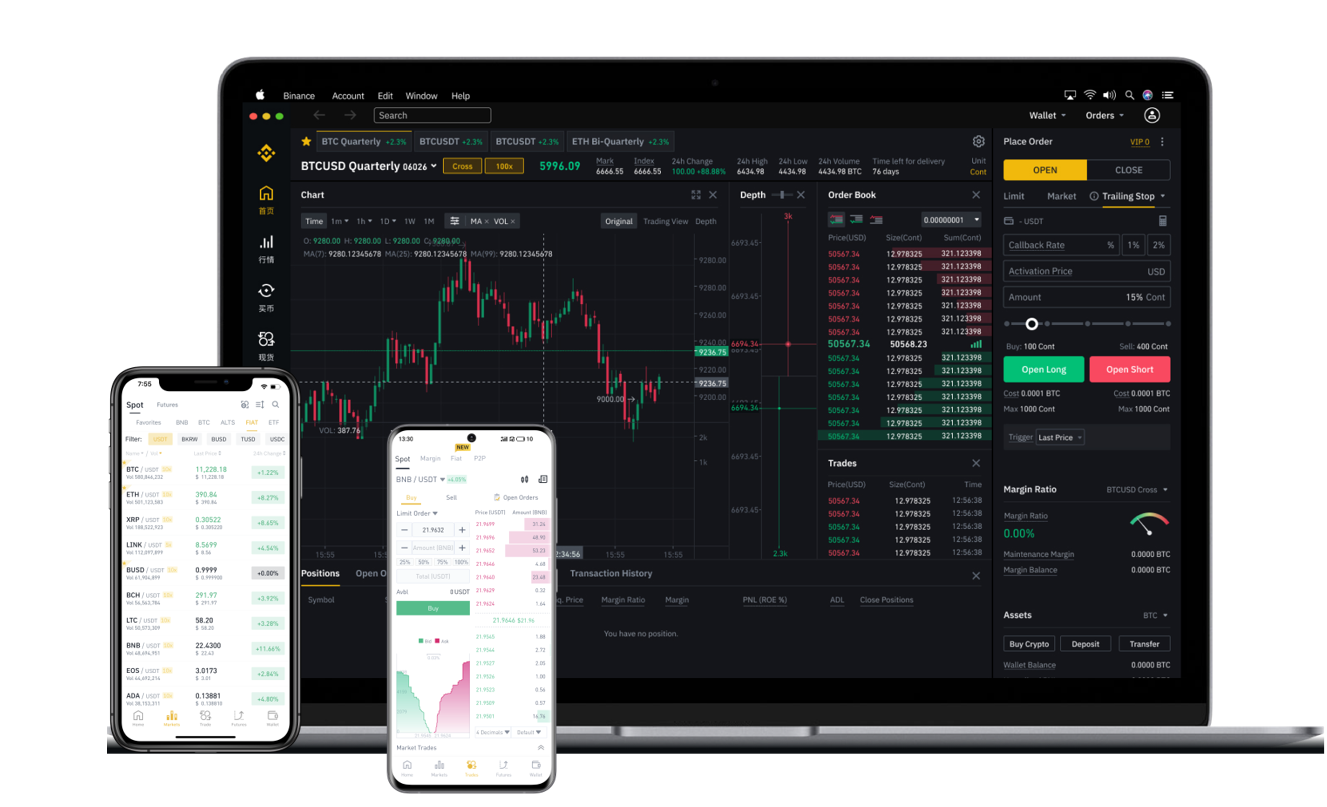
Once your account is verified, you can deposit TWD into your exchange wallet via bank transfer or ATM deposit. On BitoPro or MaiCoin, for example, you can then place a buy order for USDC at the current market rate or use a limit order for a specific price. After acquiring USDC, you have three main options: hold it in the exchange wallet for trading, send it to a personal wallet (like MetaMask or Trust Wallet) for DeFi use, or transfer it to an international exchange for arbitrage or altcoin trading. When withdrawing USDC from a Taiwan exchange, always double-check the withdrawal fee and the network—ERC-20, BEP-20, or Polygon—to avoid losing funds. Most Taiwan exchanges default to ERC-20, which is secure but can be slow and costly; BEP-20 is faster and cheaper but requires your receiving wallet to support the Binance Smart Chain network.
For advanced users, USDC can also be used to earn yield. Several Taiwan exchanges offer staking or savings products for USDC with annual returns between 3% and 8%. For example, the MaiCoin platform has a “Crypto Savings” feature where you lock USDC for a fixed term to earn interest. Alternatively, you can move your USDC to a decentralized finance (DeFi) protocol like Aave or Compound, but this requires a non-custodial wallet and awareness of smart contract risks. A critical point for Taiwan traders: while USDC is a stablecoin, its value is pegged 1:1 to the US dollar, so you do not need to worry about volatility. However, you must track your cost basis in New Taiwan Dollars for tax reporting. The Taiwan tax authority treats crypto profits as income if you trade frequently, so keep records of every USDC buy and sell transaction.
One common question from beginners is: “Can I use USDC to pay for goods in Taiwan?” The answer is partially yes. Some online merchants and a few physical stores in Taipei accept USDC payments via platforms like the “X-Pay” system or through direct wallet transfers. However, crypto adoption for everyday purchases is still low compared to credit cards or Line Pay. Most users in Taiwan treat USDC as a trading vehicle or a stable savings tool rather than a spending currency. For those using USDC for cross-border transfers, it is extremely efficient. You can send USDC from a Taiwan exchange to a friend or business partner overseas within minutes, at a fraction of the cost of a traditional SWIFT bank transfer, as long as both parties use compatible networks.
Security is another non-negotiable factor. Taiwan residents have increasingly been targets of phishing scams and fake exchange apps. Always download the official app from the exchange’s website or the Apple App Store / Google Play Store. Enable two-factor authentication (2FA) using an authenticator app like Google Authenticator, not SMS. For long-term storage of larger USDC amounts, consider a hardware wallet like Ledger or Trezor. These devices keep your private keys offline, making them immune to online hacks. If you plan to actively trade USDC, leaving a small balance on the exchange for quick trades is fine, but move the bulk to cold storage.
Finally, be aware of regulatory changes. In 2024, Taiwan’s FSC introduced new compliance requirements for crypto exchanges, including separate custody of client assets and enhanced anti-money laundering (AML) checks. These rules actually benefit users by making exchanges more accountable. When choosing a Taiwan USDC exchange, verify that it is registered with the FSC or is a member of the Taiwanese crypto industry association (e.g., the Taiwan Virtual Asset Service Provider Association). As of early 2025, all major Taiwan exchanges are compliant, but smaller or offshore platforms may not be. Stick with well-known names to avoid frozen funds or legal complications.
To summarize, using USDC in Taiwan is straightforward once you select a regulated local or international exchange, complete KYC, and fund your account with TWD. From there, you can trade, send, earn yield, or simply hold USDC as a digital dollar. Pay careful attention to network selection during transfers, secure your account with 2FA and a hardware wallet, and maintain clear transaction records for tax purposes. With these steps, you can safely and efficiently use USDC in Taiwan whether you are a new investor or an experienced trader.