Is Binance Wallet Safe and Worth It? A Deep Dive Into Features, Pros, Cons
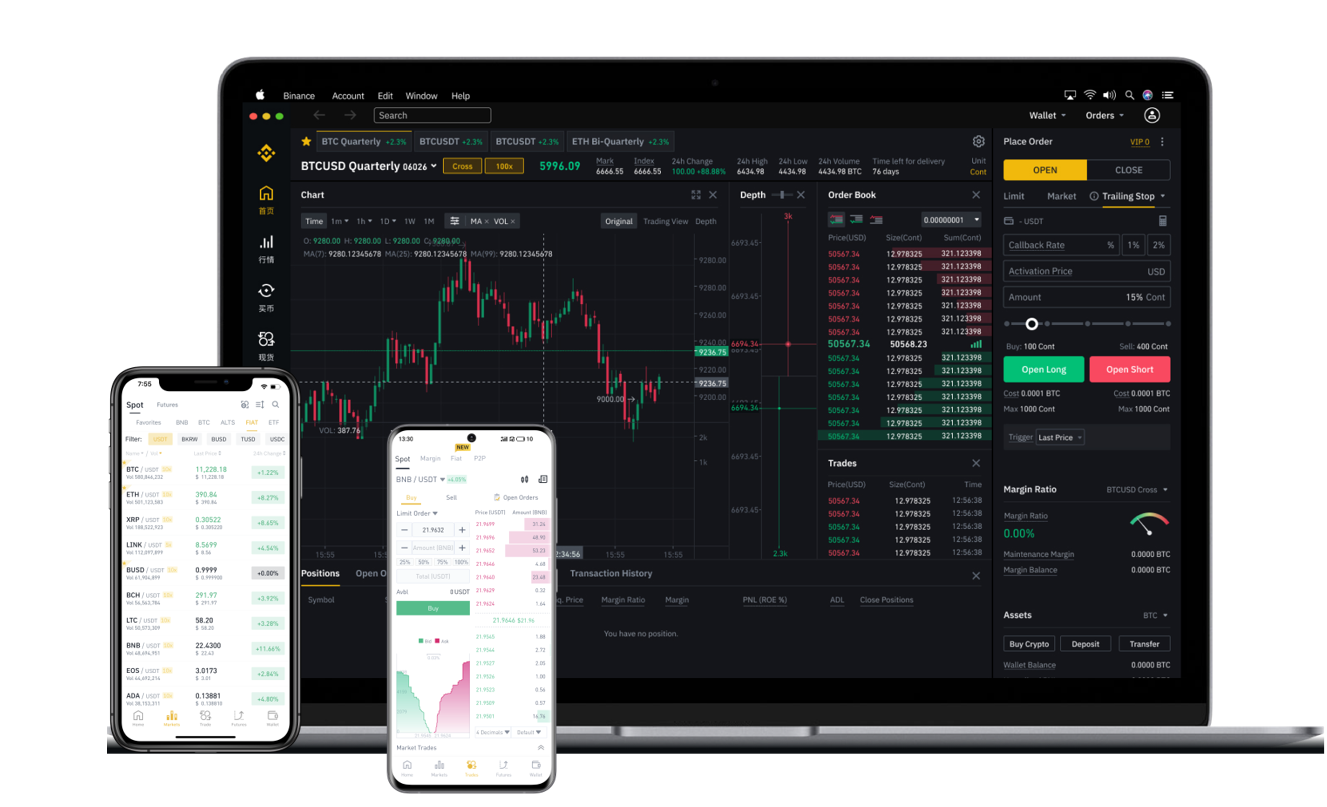
Binance Wallet, often referred to as the Binance Web3 Wallet or integrated within the Binance App, is a non-custodial cryptocurrency wallet developed by the Binance exchange. It allows users to manage their private keys, interact with decentralized applications (dApps), and store a wide range of digital assets. For many users, the primary question is whether Binance Wallet is a good choice compared to other wallets like MetaMask, Trust Wallet, or Ledger.
One of the strongest selling points of Binance Wallet is its seamless integration with the Binance exchange ecosystem. If you already use Binance for trading, the wallet allows you to instantly transfer funds between your exchange account and your self-custody wallet without leaving the app. This reduces friction and saves time. Additionally, the wallet supports multiple blockchains including Ethereum, BNB Smart Chain, Polygon, Avalanche, and Arbitrum, making it a versatile option for DeFi activities such as swapping tokens, staking, and providing liquidity.
Security is a critical factor when evaluating any wallet. Binance Wallet is non-custodial, meaning you hold your own seed phrase and private keys. The wallet also integrates with hardware wallets like Ledger for enhanced protection. However, because it is still connected to the broader Binance ecosystem, some users worry about centralized risks or potential vulnerabilities. It is worth noting that the wallet has undergone security audits and uses MPC (Multi-Party Computation) technology for certain functions to improve safety.
User experience is another area where Binance Wallet shines. The interface is clean and beginner-friendly, with clear options for buying, sending, and swapping crypto. The built-in dApp browser makes it easy to connect to platforms like PancakeSwap, Uniswap, or OpenSea without leaving the wallet. For mobile users, the wallet is embedded directly into the main Binance app, eliminating the need to download a separate application.
However, there are drawbacks. Some users report that the wallet can be less intuitive for complex DeFi operations compared to dedicated wallets like MetaMask. The wallet is also heavily optimized for Binance's own BNB Smart Chain, which means assets on less common chains may not always be displayed properly. Furthermore, while the wallet supports recovery via seed phrase, the recovery process can be confusing for new users who accidentally lose their phrase.
In terms of fees, Binance Wallet does not charge its own service fees for sending or receiving crypto. However, users must pay network gas fees, which vary by blockchain. Swapping tokens within the wallet may include a small spread, but overall the costs are competitive with other integrated wallets.
Comparing Binance Wallet to Trust Wallet, another popular Binance-acquired product, the key difference is integration. Trust Wallet is a standalone app that is more independent from the exchange, while Binance Wallet is tightly coupled with Binance. For users who want full control and a multi-chain experience without any exchange dependency, Trust Wallet might be a better fit. For active Binance traders who value convenience, Binance Wallet is likely the superior choice.
Ultimately, whether Binance Wallet is "good" depends on your needs. If you frequently use the Binance exchange and want a quick, safe, and multi-chain wallet for DeFi and NFTs, it is an excellent option. If you prioritize complete independence from centralized exchanges and need support for a broader range of niche blockchains, you may want to explore alternatives. As with any wallet, always back up your seed phrase offline and never share it with anyone.