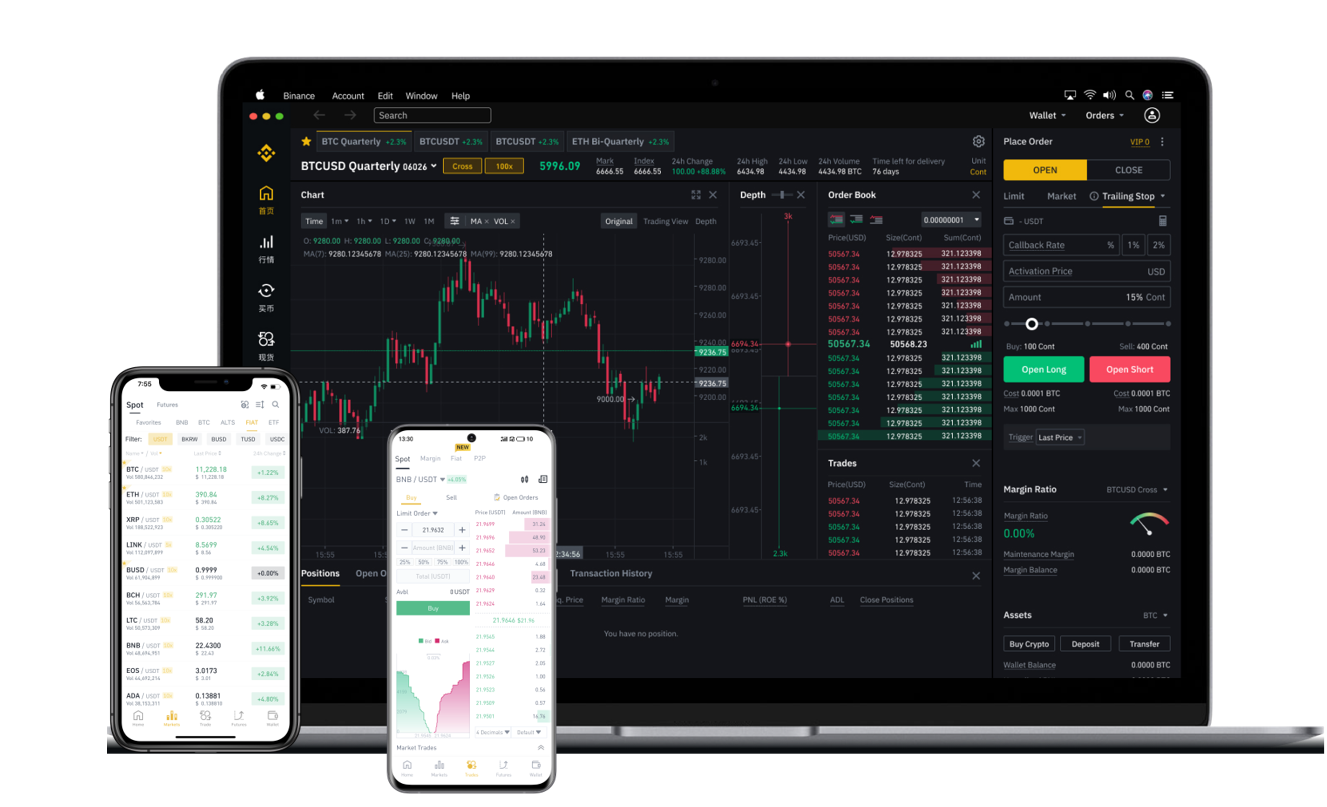
How to Use SFbinance on the Binance Smart Chain for Decentralized Exchange Trading: A Step-by-Step Guide
Understanding how to use SFbinance within the Binance Smart Chain (BSC) ecosystem for decentralized exchange (DEX) trading can open the door to faster transactions and lower fees. This guide explains the practical steps for engaging with this ecosystem, focusing on the core processes of wallet setup, token swapping, and liquidity management.
Before you begin, ensure you have a compatible wallet such as MetaMask or Trust Wallet. You must manually add the Binance Smart Chain network to your wallet. The required details are: Network Name: Smart Chain, RPC URL: https://bsc-dataseed.binance.org/, Chain ID: 56, Symbol: BNB, and Block Explorer URL: https://bscscan.com. Once added, you need BNB in your wallet to pay for transaction fees (gas). You can acquire BNB from a centralized exchange like Binance and withdraw it to your BSC wallet address.
To access a decentralized exchange on BSC, navigate to the official website of the DEX you wish to use, such as PancakeSwap or BakerySwap. Connect your wallet by clicking the "Connect Wallet" button and selecting your wallet provider. After connection, you will see your wallet address and BNB balance. For swapping tokens, select the token you want to trade from and the token you want to receive. For example, you might swap BNB for CAKE. Enter the amount and review the exchange rate, price impact, and slippage tolerance. Adjust slippage if necessary, typically 0.5% to 1% for stable pairs. Confirm the transaction in your wallet and wait for it to be processed on the blockchain. You can track the status on BscScan.
For decentralized exchange liquidity provision, go to the "Liquidity" or "Pool" section of the DEX. You will need to deposit an equal value of two tokens into a liquidity pair, such as BNB and CAKE. Approve each token for spending, then confirm the deposit. In return, you receive liquidity provider (LP) tokens representing your share of the pool. These LP tokens can be staked in "farms" to earn additional rewards. Remember, providing liquidity carries risks like impermanent loss, where the value of your deposited assets changes relative to holding them separately.
Security is paramount. Always double-check the DEX website URL to avoid phishing sites. Verify the contract address of any token you trade, especially obscure ones, using BscScan. Use a dedicated wallet for DeFi activities rather than your main holding wallet. Start with small test transactions to confirm the process before moving larger amounts. The Binance Smart Chain offers high throughput and low costs, making it an accessible entry point for decentralized exchange usage.
By following these steps for wallet configuration, token swapping, and liquidity management, you can effectively use SFbinance-related tools on the Binance Smart Chain. The ecosystem continues to evolve, so always research current best practices and official documentation before engaging with new platforms or token contracts.