Binance Exchange Guide: What It Is and How to Start Trading in 2025

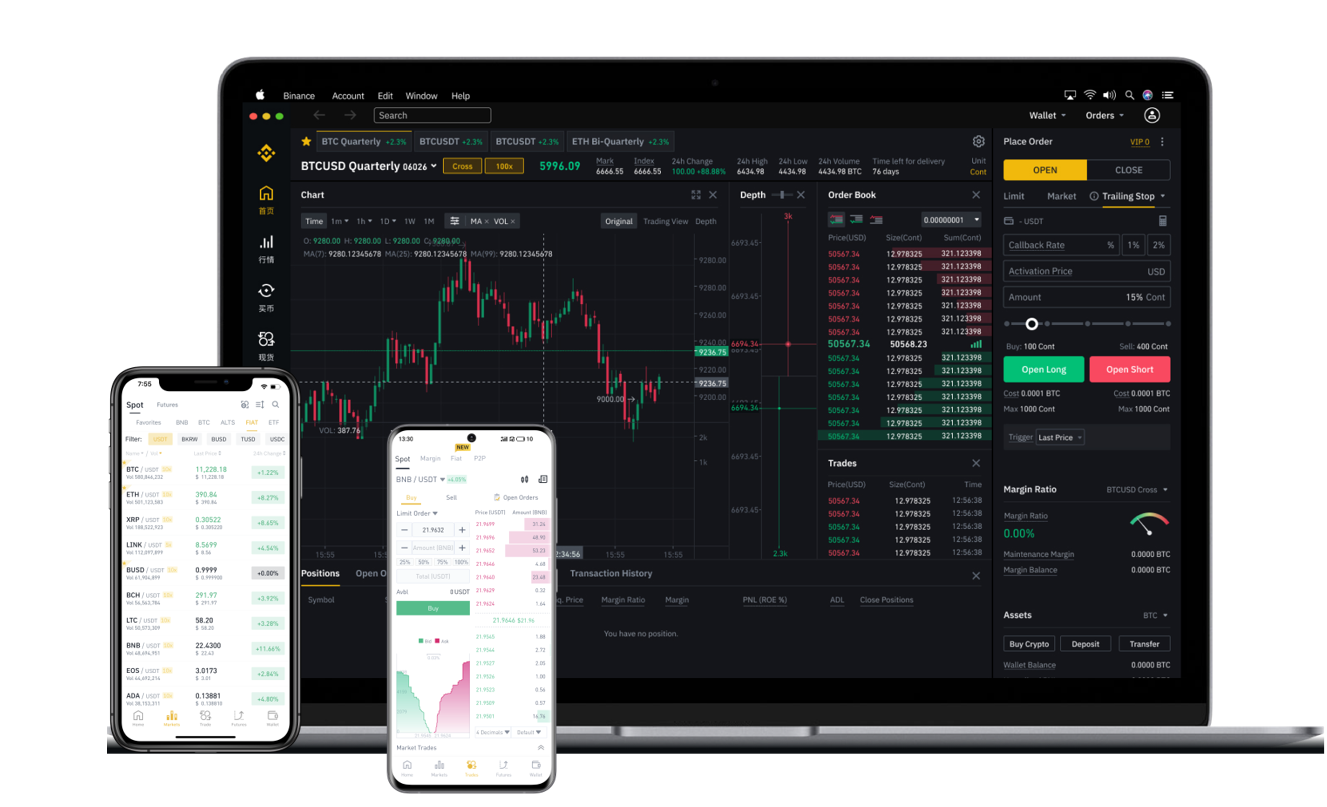
Binance is currently the world’s largest cryptocurrency exchange by trading volume and a dominant force in the global digital asset market. Launched in 2017 by Changpeng Zhao, the platform has grown from a simple token swap service into a comprehensive ecosystem that includes spot trading, futures, options, staking, lending, and its own blockchain, the BNB Chain. For new users, understanding what Binance is and how to operate it is the first step toward entering the crypto space.
At its core, Binance is a centralized exchange (CEX) that connects buyers and sellers of cryptocurrencies. Unlike decentralized exchanges that require complex wallet setups, Binance offers a familiar, user-friendly interface similar to traditional stock trading platforms. Users can deposit fiat currency (such as USD, EUR, or GBP) via bank transfer, credit card, or third-party payment services, then trade those funds for cryptocurrencies like Bitcoin (BTC), Ethereum (ETH), or the exchange’s native token, BNB. The platform also supports peer-to-peer (P2P) trading, which allows users to buy and sell crypto directly with each other using hundreds of different payment methods.
To start operating on Binance, the first step is account registration. Visit the official Binance website or download the mobile app. You will need to provide a valid email address and create a strong password. Once registered, you must complete identity verification (KYC) by uploading a government-issued ID and a selfie. Without KYC, your account will be limited to very low withdrawal limits, typically capped at 0.06 BTC per day. After verification, you should enable two-factor authentication (2FA) using Google Authenticator or a similar app to secure your account against unauthorized access.
Depositing funds is the next critical step. On the Binance dashboard, navigate to "Wallet" then "Fiat and Spot." Click "Deposit" and select either fiat currency or cryptocurrency. If depositing crypto, you will see a unique deposit address and a network type (e.g., ERC20 for Ethereum, BEP20 for BNB Chain). It is essential to choose the correct network—sending tokens on the wrong network can result in permanent loss of funds. For fiat deposits, select your currency and preferred method; bank transfers usually have lower fees but take 1-3 business days, while credit cards are instant but charge a fee of around 1.8% to 3%.
Once your account is funded, you can begin trading. The two main order types are "Market" and "Limit." A market order buys or sells immediately at the current best available price. It is the simplest method for beginners. A limit order allows you to set a specific price at which you want to buy or sell, and the order will only execute if the market reaches that price. For example, if Bitcoin is trading at $60,000, you could place a limit buy order at $58,000, and the system will automatically purchase Bitcoin for you if the price drops to that level. This is useful for capturing lower prices without constantly watching the chart.
For users interested in more advanced operations, Binance offers margin trading (borrowing funds to trade larger amounts) and futures trading (speculating on price movements with leverage). However, these products carry high risk and are not recommended for beginners. A safer way to earn passive income is through Binance Earn, which includes products like "Simple Earn" (flexible or locked staking) and "Launchpad" where users can stake BNB to receive allocations of new tokens.
Finally, security and withdrawal management are crucial. Always double-check withdrawal addresses and use whitelisting if available. Binance also has a "Safe" fund (SAFU) that covers user assets in the unlikely event of a security breach, providing an extra layer of trust. For troubleshooting or learning how to use specific features, the Binance Academy website offers free, detailed tutorials and guides. In summary, Binance is a powerful but beginner-friendly platform that requires careful setup, an understanding of basic order types, and a commitment to security practices.