How to Operate on Binance Cryptocurrency Exchange: A Step-by-Step Beginner's Guide

To operate on the Binance cryptocurrency exchange, users must first create an account by visiting the official Binance website or downloading the mobile app. Registration requires a valid email address or phone number, followed by setting a strong password. After verification via email or SMS verification code, users must complete identity verification (KYC) by submitting a government-issued ID and a selfie. This process unlocks higher withdrawal limits and full platform access.
Once the account is verified, the next step is to deposit funds. Binance supports deposits in fiat currency (like USD, EUR, or GBP) via bank transfer, credit card, or third-party payment services. Users can also deposit cryptocurrency by generating a deposit address for a specific coin (e.g., Bitcoin or Ethereum) and sending funds from an external wallet. It is crucial to double-check the deposit address and ensure the correct blockchain network is selected to avoid losing funds.
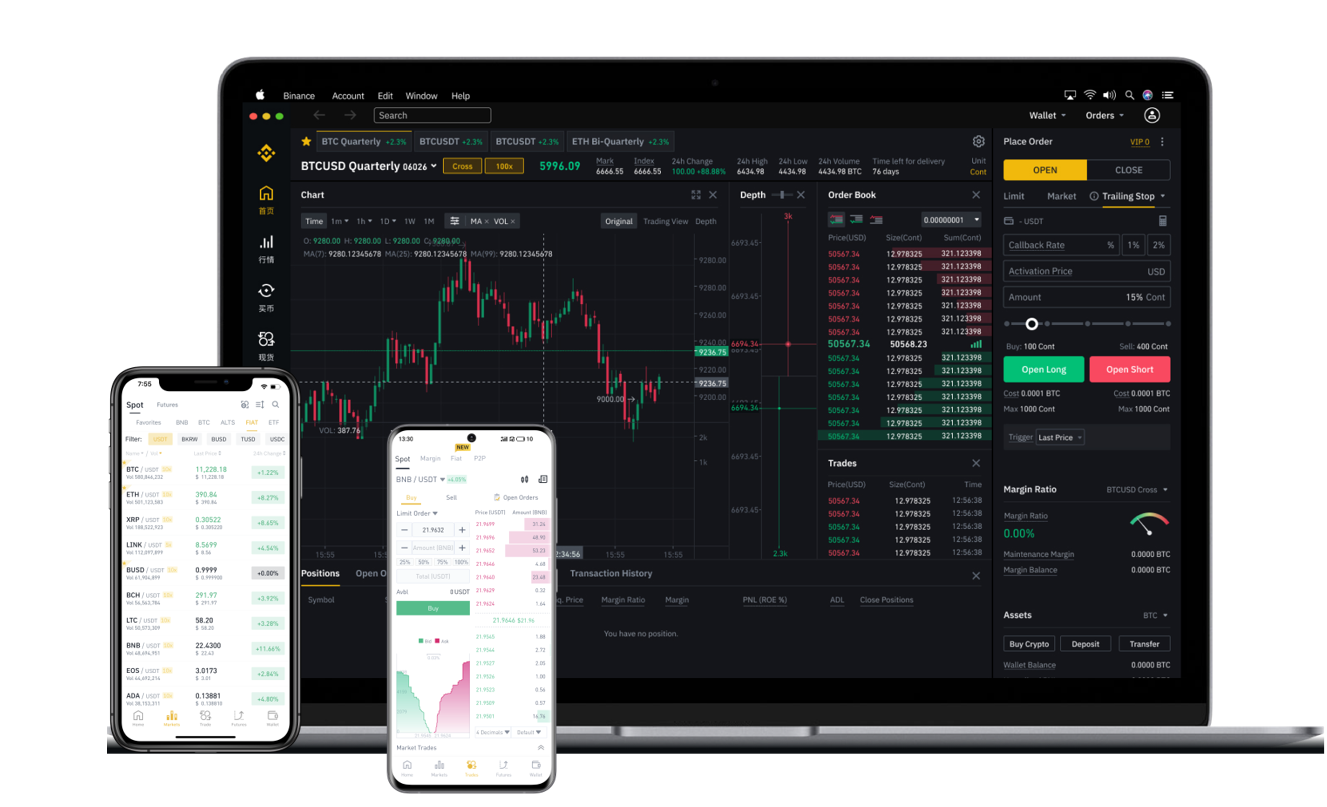
After funding the account, navigating the Binance interface is essential for trading. The "Exchange" section offers several trading modes, including "Basic" for beginners and "Advanced" for experienced traders. On the Basic trading page, users can select a trading pair such as BTC/USDT. The screen shows a price chart on the left, an order book in the middle, and a trading panel on the right. To place a market order, users simply enter the amount of cryptocurrency they wish to buy or sell and click the green "Buy" or red "Sell" button. Limit orders allow users to set a specific price at which they want the trade to execute.
For users interested in more advanced features, Binance provides margin trading, futures trading, and staking. Margin trading allows borrowing funds to amplify potential gains (with higher risk), while futures trading involves contracts based on predicted future prices. Staking enables users to hold certain coins in a locked wallet to earn passive interest. Before engaging in these high-risk activities, beginners should thoroughly understand the mechanics and potential losses through Binance’s educational resources and demo trading mode.
Security is a top priority when operating on Binance. Users should enable two-factor authentication (2FA) via the Google Authenticator app to protect their account. Withdrawing funds requires careful confirmation of both the destination address and the withdrawal fee. Binance also offers a "Whitelist of Withdrawal Addresses" feature, which ensures funds can only be sent to pre-approved addresses. Additionally, users should never share their private keys or API key secrets with third parties, and they should regularly review their account activity for any unauthorized transactions.
Finally, monitoring the market and managing the portfolio is key to successful operation. Binance provides real-time price alerts, candlestick charts, and historical data to support decision-making. Users can set take-profit and stop-loss orders to automatically close positions at predetermined price levels. For long-term holders, the "Earn" section offers flexible savings and fixed-term products that generate interest on idle crypto assets. By consistently applying these operational steps and security practices, users can effectively navigate the Binance exchange and participate in the cryptocurrency market with greater confidence.